
Production processes may be accompanied by the emission of gases, vapors, dust or heat, which can be harmful to the health and well-being of workers. Likewise, the technical requirements of manufacturing processes, storage and packaging of products, as well as the maintenance of equipment, may be affected.
In terms of heat emission, working comfort is obtained by a combination of environmental conditions, such as relative humidity and air temperature.
Contaminants in the form of gases, vapors or dust must not exceed a maximum permissible concentration, depending on several factors, such as the worker's exposure, the toxicity of the contaminant and the harshness of the work.
The purpose of industrial ventilation is to maintain these healthy working conditions by ensuring the prescribed requirements for the air in a building. Stale air is extracted by suction, and clean air replaces it, either by supply or naturally.
Ventilation can be general or localized. Localized ventilation, particularly effective for the extraction of fumes and dust, sucks in the polluted air in the same place where it has been produced, preventing its propagation. If localized ventilation is not sufficient to maintain the required cleanliness of the air, general ventilation must also be used.
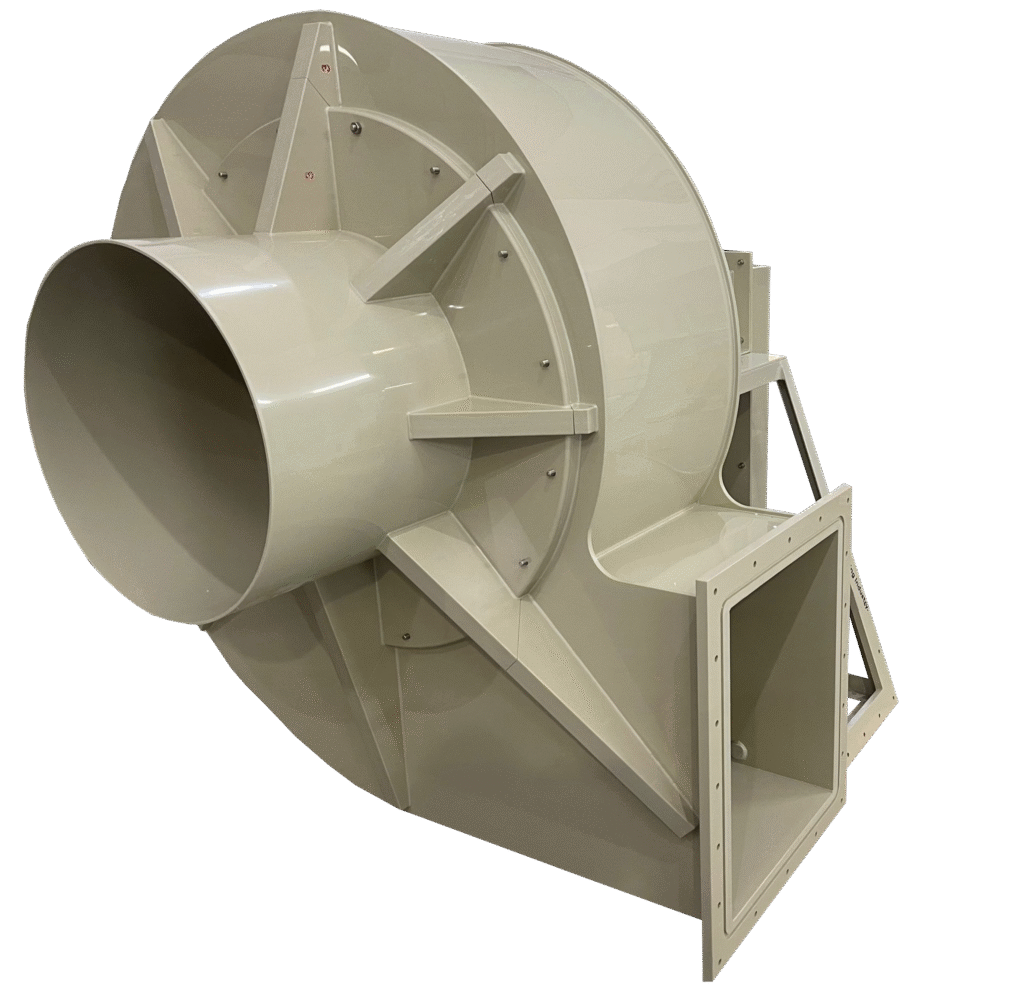
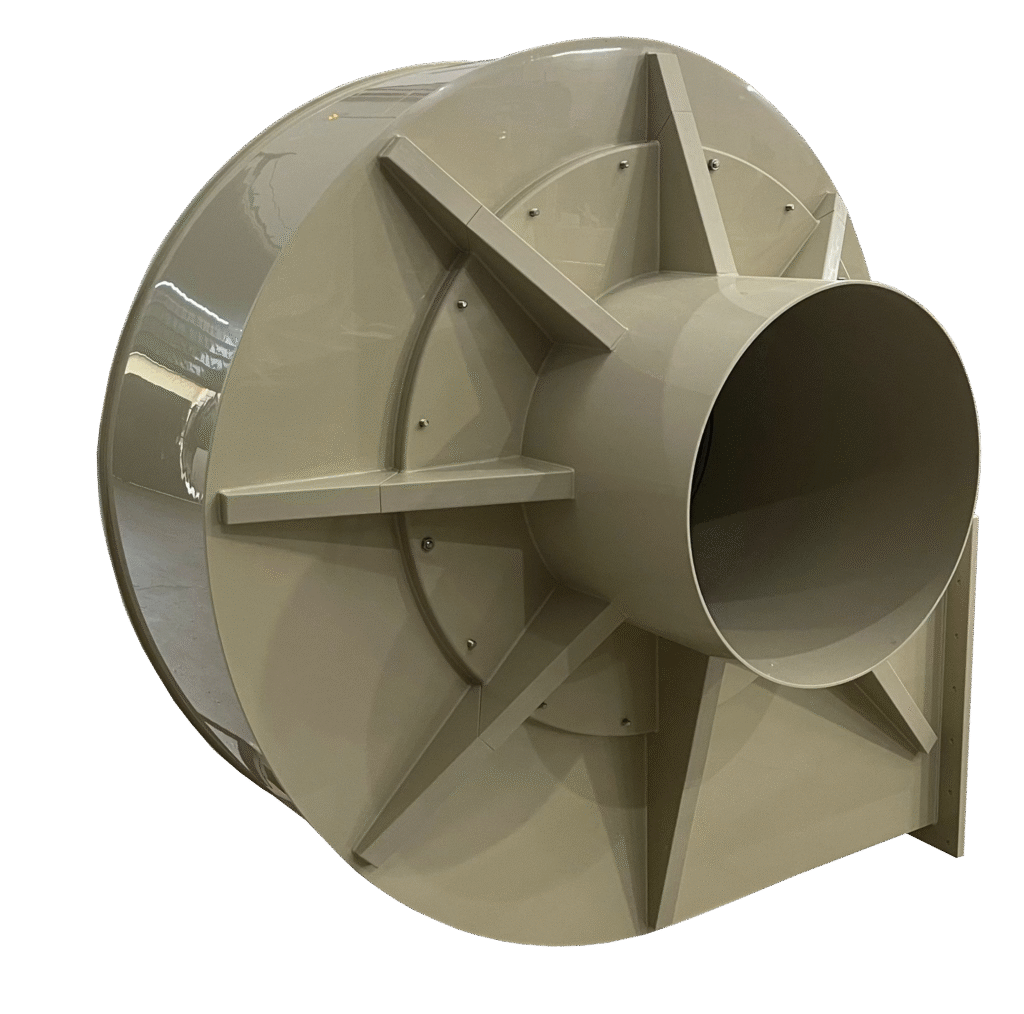
Localized vacuum cleaners can be classified into closed vacuum cleaners, in which the source of pollution is located inside the suction collector; open vacuum cleaners, in which the collector is located at a certain distance from the source of pollution; and semi-open vacuum cleaners, in which the collector is located above the source of pollution.
To solve ventilation problems, it is necessary to know how much air to extract, how much to supply and how these operations are to be carried out, i.e. where the air inlets and outlets are to be located and how the elements that will determine the renewal rate are to be designed.